


The Red Sea coast of Egypt is built for all-inclusive holidays, but not all resorts are created equal. Some sit on shallow sandy bays with no coral in sight, others perch on dramatic drop-offs with house reefs that rival boat trips, and a few manage to be both family playgrounds and serious dive bases. If you are trying to decide between Hurghada, Sharm el Sheikh or Marsa Alam, or simply want to know what is really included when you book, this guide breaks down the main resort areas and the details that matter before you commit your money.
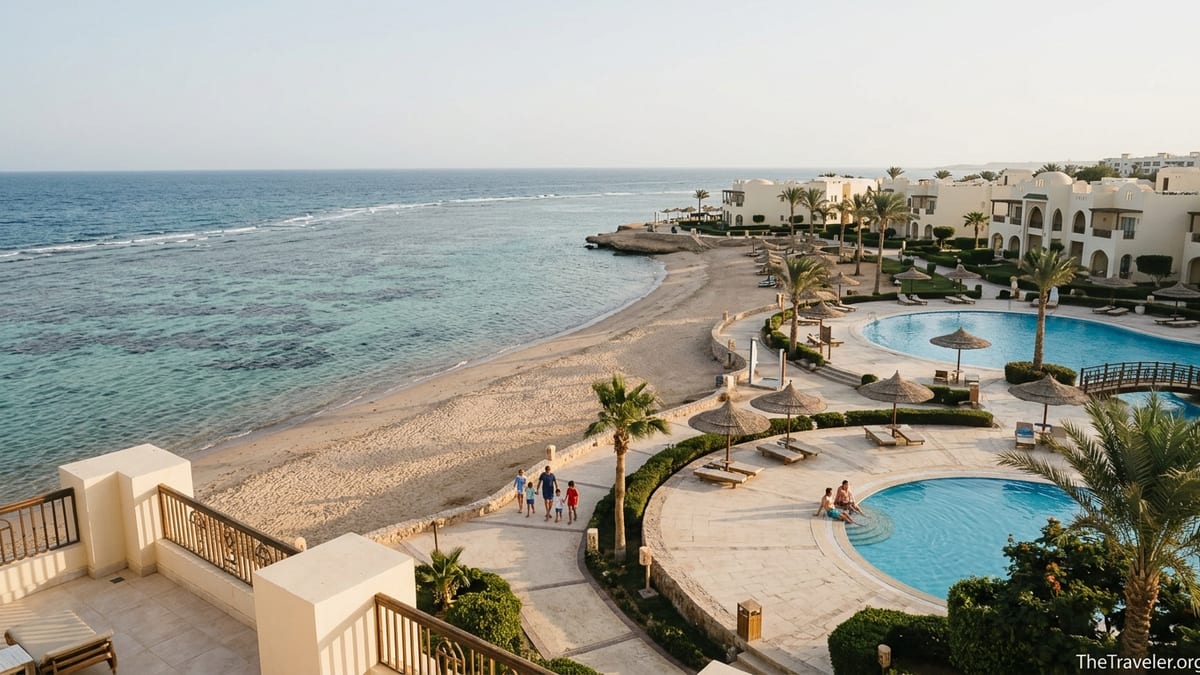
Red Sea Resort Areas at a Glance
Most Red Sea all-inclusive resorts used by international tour operators cluster around three hubs: Hurghada, Sharm el Sheikh and Marsa Alam. Hurghada, including satellite developments like El Gouna, Sahl Hasheesh and Makadi Bay, is the largest and easiest to reach, with multiple year-round flights and a high density of mid-range and upscale all-inclusives. It suits travelers who want a balance of beach days, nightlife on a promenade and access to a wide choice of boat-based snorkeling and diving.
Sharm el Sheikh, on the tip of the Sinai Peninsula, is more compact but split into distinct bays such as Naama Bay, Sharks Bay, Ras Um Sid and Nabq. Many resorts here sit directly on fringing reef, with jetties leading out to deep water. This makes Sharm particularly attractive for confident swimmers and snorkelers who want a house reef, as well as for divers heading to globally known sites like Ras Mohammed National Park. Beach experience varies widely between sandy coves, man-made platforms and reef shelves.
South of Hurghada, the Marsa Alam region is quieter and less built up, but has some of the best-preserved reefs and seagrass bays accessible from shore. All-inclusive resorts around Coraya Bay, Port Ghalib, Abu Dabbab and further south draw travelers who prioritize snorkeling, dugong and turtle encounters, and a slower pace. Distances between resorts and towns are longer, and nightlife is limited, but the trade-off is healthier coral and lower crowd levels, especially compared with central Hurghada.
When comparing areas, think first about flight options from your home country and then about how much you value nightlife versus nature. A visitor who wants evening promenades and shopping is usually happier in Hurghada or Naama Bay, while someone primarily interested in reef quality may gravitate to Marsa Alam’s bays or the reefy headlands of Sharm such as Sharks Bay or Ras Um Sid.
Beachfront Access and House Reefs
“Beachfront” in Red Sea marketing can describe everything from a broad sandy entry with no coral to a concrete platform above a reef drop-off. In Hurghada city itself, many hotels front man-made beaches with gently shelving sand and seagrass, good for paddling but often lacking colorful coral. For better snorkeling, travelers often target bays south of the airport such as Makadi Bay and Sahl Hasheesh, where resorts like Fort Arabesque line long sandy curves with accessible patch reefs just offshore and a clearly marked house reef for confident swimmers.
In Sharm el Sheikh, the classic house-reef setup involves a cliff or rocky shore with a floating jetty reaching out over the shallow plate reef to the drop-off. At Sharks Bay, for example, several four- and five-star all-inclusive resorts share a fringing reef where guests step off the jetty ladder directly into six to eight meters of clear blue water. This provides instant access to coral walls and fish life, but is not ideal for non-swimmers or very young children, who are often restricted to dedicated sandy lagoons or pools.
Marsa Alam’s appeal lies in the combination of sandy coves and vibrant reefs. Around Coraya Bay and Marsa Mubarak, all-inclusive resorts sit on natural bays where swimmers can wade in from the sand and then follow marked snorkeling routes along the fringing coral. A property like The Three Corners Fayrouz Plaza near Port Ghalib is frequently recommended by snorkel-focused travelers because its bay offers both a sheltered beach and a rich house reef, with the bonus of nearby turtle and dugong hotspots reached by short boat trips.
When booking, read descriptions carefully and scan recent guest photos for signs of jetties, breakwaters and reef shelves. If you prefer to walk straight in from a sandy beach and still see coral, look for phrases like “swimmable lagoon with coral heads” or “sandy entry with nearby house reef.” If you are a strong swimmer who values dramatic reef walls over wading, a jetty-accessed house reef, typical of Sharm and parts of Marsa Alam, can be a major plus.
Pools, Aqua Parks, Kids’ Clubs and Adults-Only Corners
Pool and family facilities are a major differentiator between Red Sea resorts that otherwise look similar on a map. In Hurghada and Sharm especially, many five-star all-inclusives are effectively water-park hotels, with multiple pools, slides and splash zones. In Hurghada’s Makadi Bay, for example, large resorts often feature half a dozen pools, including kids’ pools with mini-slides and quieter adults-only pools away from the animation activities. In Sharm’s Nabq Bay, several big-brand properties combine beachfront locations with substantial aqua parks and children’s activity programs, making them favorites for multi-generational groups.
By contrast, some of the more upscale or boutique properties in Sahl Hasheesh, El Gouna or along remote stretches near Marsa Alam focus on quieter, landscaped pools without loud entertainment. These resorts may still accept children but design the environment for relaxation rather than constant pool games. Others explicitly market adults-only wings or entire adults-only concepts, such as select Red Sea resorts that limit guests to 16 or 18-plus and emphasize spa, wellness and tranquil pool decks instead of slides and kids’ clubs.
Most larger all-inclusive resorts now operate a kids’ club for ages roughly 4 to 12, typically included in the rate and available for a set number of hours daily. Activities can range from simple playground time and crafts to supervised pool games and evening mini-discos. The details matter: some clubs are air-conditioned, with soft play areas and multilingual staff, while others are basic rooms that mainly function as a place to drop children during scheduled times. When booking for a family, it is worth checking recent photos of the kids’ club and confirming opening hours, age limits and whether babysitting or evening care is available at extra cost.
If you are traveling without children and want a quiet atmosphere, consider either a fully adults-only resort or a property with clearly separated adults-only pools and dining zones. At some mixed-age resorts, adults-only pools are enforced and genuinely peaceful, while at others the separation is more nominal. Reading recent guest reviews that mention “quiet pool,” “adults-only area” and “animation” gives a realistic sense of how serene or energetic the environment will feel in practice.
Food Plans, “Ultra All-Inclusive” and What Is Really Included
Egyptian Red Sea resorts use a range of terms for their meal plans, and the differences can significantly affect your on-the-ground costs. A classic all-inclusive typically covers buffet breakfast, lunch and dinner in the main restaurant, plus a selection of local soft drinks, tea and coffee and local alcoholic beverages during set hours. Snacks such as afternoon pastries, simple pizza or ice cream may be included at specific times. Imported branded alcohol, freshly squeezed juices, specialty coffees and minibar items are usually extra.
Many higher-end Red Sea resorts now market “ultra all-inclusive” or “hard all-inclusive” concepts. In practice, this often means a broader choice of bars, some premium or imported drinks within limits, extended bar opening hours and at least one included visit to each a la carte restaurant per stay. For example, an ultra all-inclusive resort in Sharm’s Nabq Bay might allow three a la carte dinners per week and include a selection of international branded spirits, while still charging extra for top-shelf labels or certain specialty venues such as teppanyaki counters.
Soft all-inclusive is also common, particularly in packages sold to regional markets. A soft plan includes the same buffet meals but only non-alcoholic drinks. Alcoholic beverages are either unavailable or must be paid for per drink. This can be a good value for families or travelers who do not drink, but it is important to factor in the cost of any alcohol you may want, considering resort bar prices. If you find a deal that looks significantly cheaper than others at the same property, double-check whether it is soft or full all-inclusive.
Before booking, read the small print on what the resort defines as all-inclusive for your specific dates. Pay attention to whether a la carte venues require reservations, how many visits are included, and whether items like bottled water in the room, fresh juices or room service are covered or chargeable. Some resorts provide an all-inclusive guide on arrival listing exactly which bars, time frames and menu items are part of the package. Keeping a photo of this guide on your phone helps you avoid unexpected bills at check-out.
Airport Transfers, Local Transport and Practical Logistics
Most international visitors arrive at Hurghada, Sharm el Sheikh or Marsa Alam airports on package charter flights or scheduled services. If you are booking through a tour operator, shared transfers are typically included, with a coach dropping guests at multiple hotels along the way. This can be convenient and inexpensive, but also time-consuming, particularly if your resort is in a satellite bay 30 to 40 minutes from the airport and you are the last drop-off.
Booking a resort-only stay through an online travel agency or directly with the hotel usually means you must arrange your own transfer. Many Red Sea resorts offer private or shared airport transfers for a fixed fee per car or per person. For a couple arriving at Hurghada Airport and staying in Makadi Bay, for instance, a private car booked through the hotel or a reputable local company often costs roughly the equivalent of a short European taxi ride each way, depending on exchange rates and distance. In Marsa Alam, where resorts are more spread out along the coast, resorts commonly quote transfer times of 10 to 60 minutes and prices that reflect the longer distances.
Within resort areas, taxis, ride-hailing apps where available and hotel shuttle buses are the main means of getting around. Hurghada and Sharm el Sheikh have established taxi scenes, but meters are uncommon, so agreeing a fare before setting off is standard practice. Many larger resorts run scheduled shuttles to nearby promenades, marinas or town centers, sometimes free and sometimes at a small charge. For example, a hotel south of Hurghada might operate a daily evening shuttle to the city’s marina district for guests who want to dine or shop outside the resort.
When comparing resorts, factor in transport both in time and cost. A cheaper hotel far from town may end up costing more in taxis and time than a slightly more expensive property closer to the areas you want to visit. Conversely, if your priority is reef access and you do not plan to leave the resort often, staying in a more remote bay near Marsa Alam or in a quieter Hurghada suburb can be worthwhile, provided the transfer is well organized and clearly priced upfront.
Dive Centers, Snorkel Trips and Marine Protection Rules
For divers and snorkelers, the on-site or partner dive center can be as important as the room category. Many Red Sea all-inclusive resorts either host their own PADI or SSI dive operations or work closely with centers located next door. In Hurghada and Sharm el Sheikh, it is common for dive boats to collect guests from the resort’s own jetty or from a nearby marina, with hotel-arranged transfers included in dive package prices. A Hurghada resort with a long-standing dive base, for instance, may offer four- or five-day dive packages with daily boat trips, equipment rental and lunch on board, sold separately from the accommodation but logistically seamless.
Marsa Alam resorts often market their house reefs as a key selling point, supplemented by short boat or zodiac trips to nearby reefs and bays. At Coraya Bay or near Abu Dabbab, for example, guests might snorkel the house reef directly from the beach in the morning and then join an afternoon excursion to a seagrass bay where turtles graze. Some dive centers also arrange full-day boat trips to offshore sites such as Elphinstone Reef or, from further north, liveaboard-style expeditions out of Marsa Alam or Hurghada to remote reefs.
Marine protection rules in Egypt are increasingly enforced, particularly around national parks and popular reefs. Touching or standing on coral, feeding fish and collecting shells are prohibited and may incur fines. Many resorts now include reef-education briefings in their welcome information and post clear signage at jetty entries reminding guests to use designated swim zones, wear fins carefully and avoid chasing turtles or dolphins. Reef-safe sunscreen, long-sleeved rash guards and buoyancy aids for less confident swimmers are sensible investments before you travel.
When comparing resorts, look at how established the on-site dive operation is, what languages instructors speak and whether nitrox, technical diving or beginner courses are offered. Serious divers may prefer properties with fully equipped centers and on-site training pools, while casual snorkelers might prioritize a resort that runs frequent, reasonably priced half-day snorkel trips suitable for families and that has experienced guides in the water.
How Prices, Seasons and Star Ratings Really Work
Prices for Red Sea all-inclusive stays fluctuate strongly with season, demand and departure market. Winter sun months such as December to February, as well as school holidays in key European markets, often command higher prices, especially for family-focused resorts with heated pools. Shoulder seasons such as late March, April and October can offer better value while still delivering warm weather and good water temperatures. The hottest summer months see lower rates at some properties but also higher daytime temperatures and, in certain areas, stronger winds.
Star ratings on the Red Sea are influenced as much by facilities and board basis as by room size or service. A “five-star” all-inclusive often signals a resort with multiple restaurants, several pools, spa, gym and a wide range of included activities rather than a boutique level of personal service. Some four-star resorts in quieter areas, particularly around El Gouna or smaller bays, can feel more upmarket in ambiance than busier five-star properties with large water parks and constant daytime entertainment.
When comparing prices, pay close attention to what is included beyond the core all-inclusive offering. Some higher-priced resorts bundle extras such as free access to an on-site water park, complimentary use of tennis courts or introductory dive lessons. Others may appear cheaper but charge for basics like in-room safe use, Wi-Fi in certain areas or use of sunbeds on particular sections of the beach. Reading several months of recent reviews helps filter marketing promises from reality and highlights recurring issues such as crowded main restaurants at peak times.
It is also worth considering the length of stay discounts and repeat-guest programs that many Red Sea resorts run. Booking seven nights instead of five, or returning to the same brand group, can unlock better value. However, avoid making decisions purely on headline discounts. Weigh the overall package of beach quality, reef access, room location, food reviews and the cost of any must-do extras like a Ras Mohammed day trip or a Marsa Mubarak turtle excursion.
The Takeaway
Choosing the right all-inclusive resort on Egypt’s Red Sea coast starts with deciding what matters most to you: sandy beach or dramatic reef, lively aqua parks or tranquil pools, easy nightlife access or remote natural bays. Hurghada and its surrounding developments offer convenience, variety and many family-oriented all-inclusives, while Sharm el Sheikh shines for jetty-accessed house reefs and iconic dive sites. Marsa Alam, though quieter, rewards visitors with some of the region’s healthiest coral and best shore-access snorkeling.
Once you have narrowed down the area, look closely at how each resort handles beach access, the presence and quality of a house reef, the design of pools and kids’ facilities, and whether any adults-only zones or concepts align with your travel style. Study meal plan details so you know exactly what “all-inclusive,” “ultra” or “soft” means in practice at your chosen property, and factor airport transfers and local transport into both your budget and your expectations.
A bit of research into the on-site dive center, included activities and seasonal pricing patterns can turn a generic package holiday into a tailored Red Sea escape. With clear priorities and realistic expectations about what is and is not included, you can book a resort that matches your idea of a perfect Red Sea break, whether that is sunrise snorkels on a quiet house reef, full days in the water park with the kids, or long afternoons by a calm adults-only pool.
FAQ
Q1. Which Red Sea area is best if I want a sandy beach and easy swimming rather than deep water off a jetty?
Resort zones with broad sandy bays and gentler entries, such as parts of Hurghada, Sahl Hasheesh, Makadi Bay and certain Marsa Alam coves, generally suit swimmers who prefer walking in from the beach. Central Sharm el Sheikh often has jetties and immediate deep water, which is excellent for snorkeling but less comfortable for non-swimmers or small children.
Q2. How do I know if a Red Sea resort has a true house reef?
Look for descriptions mentioning “fringing reef,” “house reef,” “snorkeling directly from the beach or jetty” and check recent guest photos for reef shelves and coral. Resorts in areas like Sharks Bay, Ras Um Sid, parts of Nabq and many Marsa Alam bays are more likely to have genuine house reefs than city-center properties on artificial beaches.
Q3. Are all-inclusive drinks in Egypt really unlimited, and what about branded alcohol?
Standard all-inclusive packages usually include unlimited local soft drinks and local alcoholic beverages during set hours, but imported spirits, bottled cocktails and fresh juices are often extra. Ultra all-inclusive plans may include a selection of branded drinks, yet very top-shelf labels still tend to be chargeable. It is important to read each resort’s description of what its plan covers.
Q4. Is an adults-only Red Sea resort worth the extra cost?
If you value quiet pools, more low-key entertainment and fewer children around, adults-only properties or clearly separated adults-only wings can be worth paying more for. Travelers who plan to spend most of their time diving or on excursions may find a mixed-age resort with good zoning perfectly adequate, while those who prize tranquility on-site often report higher satisfaction at adults-only concepts.
Q5. How important is it to have a dive center on-site if I only plan to snorkel?
An on-site dive center is not essential for casual snorkeling, but it can be convenient. Many such centers also organize guided snorkel trips, rent quality masks, fins and life vests, and provide briefings on reef etiquette. If your resort lacks a center, local agencies can usually pick you up by bus or minivan, though that adds logistics compared with walking to a jetty from your room.
Q6. Do Red Sea kids’ clubs usually cost extra?
Basic kids’ club access for set daytime hours is typically included in all-inclusive packages, especially at larger family resorts. Extra costs may apply for evening sessions, babysitting, certain workshops or special events. It is wise to confirm age limits, language of staff and whether reservations are required for specific activities before relying on the club for childcare.
Q7. What hidden costs should I watch for at Red Sea all-inclusive resorts?
Common extras include premium or imported drinks, certain a la carte dishes, spa treatments, water sports such as motorized activities, late check-out, some airport transfers and occasionally use of in-room safes or high-speed Wi-Fi. Reading the resort’s all-inclusive fact sheet, if available, and scanning recent reviews helps identify any recurring surprise charges.
Q8. Is it better to book a package with flights and transfers or hotel-only for the Red Sea?
Package deals that bundle flights, hotel and shared transfers can offer good value and simplicity, especially from major European gateways. However, travelers who want specific room types, longer or shorter stays, or more flexible flight options sometimes do better booking hotel-only and arranging separate flights and private transfers. Comparing total costs, including baggage and transfer fees, is key.
Q9. When is the best time of year to visit the Red Sea for comfortable water temperatures and fewer crowds?
Late spring and autumn, roughly April to early June and late September to November, usually balance warm air and sea temperatures with somewhat lower crowd levels than peak winter sun periods and school holidays. Summer brings very hot days and can be breezier in some bays but may also offer attractive prices at certain resorts.
Q10. Can beginners safely snorkel from Red Sea jetties, or should they stick to sandy bays?
Confident beginners who are comfortable in deep water can enjoy jetty-accessed reefs if they use fins, a mask that fits well and, ideally, a buoyancy aid, and if they follow resort safety guidelines. Those uneasy in deep water or traveling with small children are usually more relaxed starting in sheltered sandy bays, gradually moving toward marked reef areas where they can still stand if needed.