


Choosing the best time to visit Egypt is less about the calendar and more about matching the season to the trip you want: cooler days at the pyramids, warm evenings on a Nile cruise, or reliably sunny Red Sea beach time. Temperatures between Cairo and Luxor can differ by more than 10 degrees Celsius on the same day, and hotel rates in Sharm el Sheikh or Hurghada can double between August and New Year. This guide walks month by month through Egypt’s seasons so you can balance lower heat, crowds, and costs for pyramids, Nile cruises, Red Sea resorts, and desert adventures.
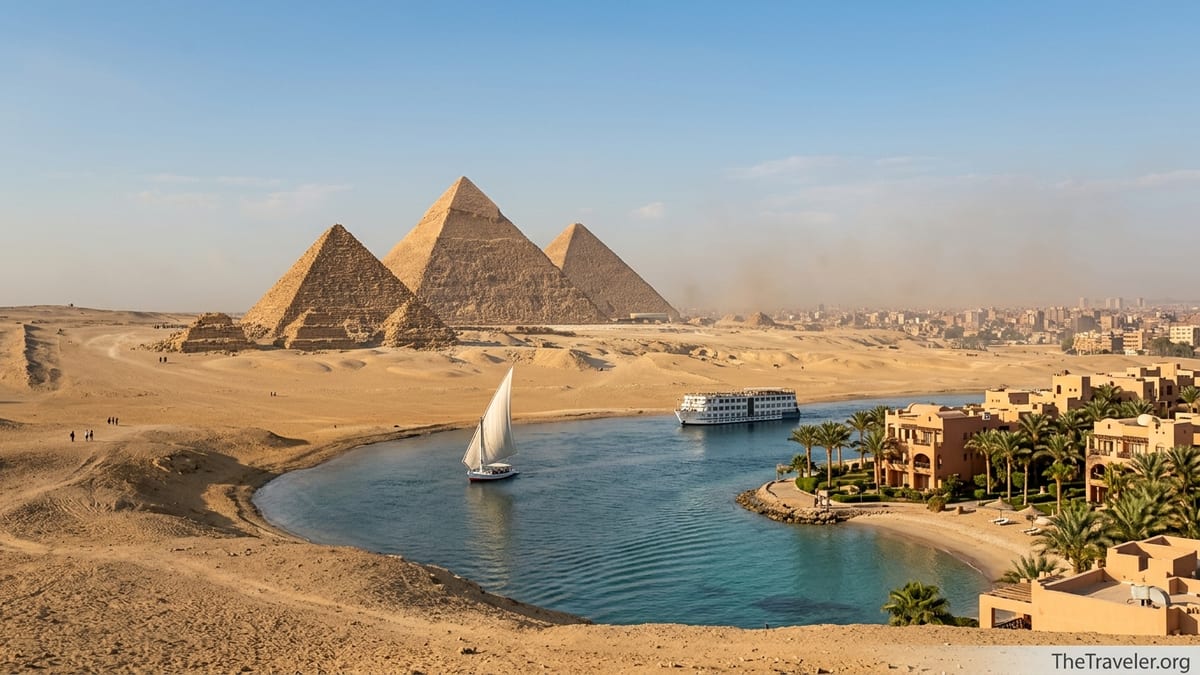
Egypt’s Seasons at a Glance: How Weather Shapes Your Trip
Egypt’s classic sightseeing window runs roughly from October to April, when daytime highs are generally more comfortable for walking around open archaeological sites. In Cairo and Giza, typical highs shift from around the upper 10s Celsius in January to the low 30s by May, while Luxor and Aswan in Upper Egypt often sit several degrees hotter in the same month. That difference matters when you are standing in the exposed courtyards of Karnak Temple or climbing inside a pyramid passage.
From late May to September, the Nile Valley and desert regions can be fiercely hot, with inland highs commonly climbing above the mid 30s Celsius and occasionally spiking much higher. In practice, this does not make travel impossible, but it does mean very early-morning starts for tombs in the Valley of the Kings or for Abu Simbel, long midday breaks indoors, and higher reliance on air conditioning in both hotels and transport. Many group tours still operate in summer, but itineraries lean on pre-dawn departures and shaded museum visits in the hottest hours.
On the Red Sea, the story is different. Resorts such as Sharm el Sheikh, Hurghada, El Gouna and Marsa Alam count on virtually year-round sunshine. Sea temperatures stay swim-friendly through winter, and many European divers and families arrive in December and January as a warm-weather escape. Summer brings hotter air and stronger sun, but constant sea breezes keep it more tolerable than equivalent temperatures in Luxor or Aswan. As a rule of thumb, if your focus is ruins and desert, aim for cooler months; if it is mostly beaches, you have more flexibility.
Crowd patterns mirror those weather swings. Christmas and New Year, February, and Easter weeks often see the highest prices and busiest sights for Cairo, Luxor and cruises. June to early September is low season inland, and you can often find noticeably lower prices on Nile cruises and hotels in the Nile Valley. The Red Sea coast has a slightly different rhythm, with strong school-holiday peaks in summer and around Christmas but softer pricing and more space in shoulder months like November or March.
October to February: Prime Time for Pyramids & Nile Cruises
October and November are considered sweet-spot months for classic itineraries that combine Cairo, Giza, Luxor, Aswan and perhaps Abu Simbel. Daytime highs in Cairo typically sit in the comfortable 20s Celsius, while Luxor is warm but not oppressive. This is excellent weather for long days at the Giza Plateau, wandering Saqqara, and spending several hours on deck during a Nile cruise between Luxor and Aswan. Many international tour companies ramp up departures from October, and you will see larger numbers of buses at key sites, but the experience still feels manageable compared with deep winter holidays.
December, January and February bring Egypt’s coolest weather and its highest demand for cultural sightseeing. In Cairo, you can get rare showers and cooler evenings, and in Luxor early mornings may feel crisp enough to want a light jacket on a pre-dawn hot air balloon ride. For many travelers, though, this is as close as Egypt gets to “perfect” temperatures for full days outdoors. Tickets on popular 4-night Nile cruise routes often sell out well in advance around Christmas and New Year, and hotel rates at well-known Cairo properties such as upscale chains on the Nile Corniche typically sit at or near their annual peak.
If lower heat is your top priority, these winter months are ideal. A day at the Pyramids of Giza in late January might mean highs around the upper teens or low 20s Celsius instead of the 30s you will find in April or May. Similarly, touring Karnak and Luxor Temple in February usually means pleasantly warm sun rather than baking heat on stone surfaces. The trade-off is crowds: expect lines for security, more visitors inside tombs in the Valley of the Kings, and busier evening sound-and-light shows.
From a price perspective, winter is not the absolute cheapest time to see Egypt, but you can still find relative value if you avoid festive peaks. For instance, a mid-range Nile cruise cabin in late January or early February often costs less than an equivalent cabin sailing during a Christmas week departure, even though weather conditions are similar. In Cairo, choosing a hotel set a few blocks back from Tahrir Square or the Nile rather than a direct riverfront name-brand tower can significantly reduce room rates, even in peak season.
March and April: Shoulder Season, Sandstorms and Strategic Choices
March and April represent a transitional period that can be excellent for some travelers and challenging for others. Daytime temperatures in Cairo begin climbing into the mid to upper 20s Celsius and can tip over 30 on hotter days, while Luxor and Aswan can feel summery by late March. These months offer longer daylight and generally stable sun, which is attractive for both sightseeing and photography. However, they also coincide with the potential for seasonal desert winds known locally as the khamsin, which can bring dustier skies and temporarily reduced visibility.
From a practical standpoint, this shoulder season can be ideal for travelers who are comfortable with warmer weather and want fewer crowds than in December or February without facing the full brunt of a June afternoon in Aswan. A walk across the Giza Plateau in late March will usually feel warm but manageable, especially if you plan pyramid interiors early in the morning. In Luxor, starting a Valley of the Kings visit as the gates open and shifting to shaded sites or the Luxor Museum by midday helps you dodge the day’s peak heat.
On the Nile, cruise pricing in March and April can be more favorable than deep winter, particularly outside school holidays and Easter. Operators that were full in January may offer more competitive packages that bundle flights from Cairo, guiding and meals. The Red Sea coast is also attractive at this time: Sharm el Sheikh and Hurghada enjoy warm but not oppressive conditions, with sea temperatures welcoming for divers and snorkelers. If you are mixing pyramids with a beach extension, March and April let you enjoy both parts without compromising too much on comfort.
One consideration in these months is air quality and comfort for those sensitive to dust. While not constant, hazier days during wind events can dull the clarity of pyramid views or make long open-air temple visits less pleasant. Flexible itineraries that can swap an outdoor morning for a museum day, such as spending time in the Grand Egyptian Museum area or the Egyptian Museum collections when the air is dustier, are especially useful if you are traveling in this period.
May to September: Heat, Low Prices and Red Sea Focus
From May through September, inland Egypt experiences its hottest conditions. In Cairo, average highs climb into the low 30s Celsius in May and stay there or higher through August, while Luxor and Aswan can reach significantly higher daytime peaks. On exposed stone at sites such as Karnak, Philae or Abu Simbel, the radiant heat can make midday visits feel far hotter than the air temperature suggests. Local guides often shift start times to as early as 5 or 6 in the morning for major sites, returning guests to air-conditioned cabins or hotels by late morning.
The upside of this heat is a noticeable drop in crowds and, often, in prices for cultural sightseeing. Nile cruises that might be heavily booked in November or February can have lower occupancy in June or July, which sometimes translates into discounted packages or added perks. Similarly, hotel rates in Luxor outside small local festivals frequently sit below winter highs, and you may find more room categories available at heritage properties on the Nile. For experienced hot-climate travelers who can handle very early mornings and slow, shaded afternoons, this can be a value-friendly way to experience Egypt’s major monuments with fewer people around.
For many visitors in these months, the Red Sea becomes the core of the trip. Resorts in Hurghada, El Gouna, Marsa Alam and Sharm el Sheikh are used to summer heat, and steady sea breezes and water activities make the climate feel more forgiving than inland. Families from across Europe and the Middle East flock to all-inclusive beach resorts, and large properties compete aggressively on package pricing, especially for week-long stays that bundle flights, transfers and meals. Sea temperatures are at their warmest in late summer, providing ideal conditions for snorkeling and diving on the reefs.
Desert experiences, such as overnight camping in the White Desert or multi-day safaris into the Western Desert oases, are more challenging in the peak of summer and often recommended only to seasoned travelers with high heat tolerance or scheduled for shoulder months instead. If your heart is set on both pyramids and deep desert trekking, it is usually wiser to target October or March rather than July. For those traveling in summer regardless, consider focusing on Cairo, a short, tightly timed visit to Luxor and Aswan, and then retreating to the coast where the heat feels more manageable.
Cairo & Giza vs Luxor & Aswan: Month-by-Month Comparisons
When comparing Cairo and Giza with the Nile Valley cities of Luxor and Aswan, the key differences are temperature and intensity of sun. Cairo, influenced slightly by the Mediterranean and located further north, runs cooler overall. A spring day that feels warm but pleasant in Giza can feel significantly hotter in Luxor. This is especially noticeable in April and May, when Cairo might present comfortable mid-20s Celsius afternoons as Luxor pushes into the low or mid 30s, making shade and hydration a constant priority on archaeological walks.
From October to February, that same gap works in your favor. Luxor and Aswan become delightfully warm when Cairo has its coolest, occasionally drizzly winter days. Many itineraries therefore allocate slightly more time in Upper Egypt during winter, allowing travelers to spend multiple days around Luxor’s West Bank tombs and temples and still enjoy late afternoons strolling the Nile corniche. In January, for instance, Cairo evenings might call for a light sweater while Aswan evenings can feel like a mild summer night, ideal for outdoor dinners on a felucca-lined riverfront.
For the Pyramids of Giza specifically, almost any month outside the height of summer can work if you time your visit well. In winter, aim for late morning or early afternoon to avoid the chilliest early hours. In shoulder months like March and November, early morning or late afternoon visits give you both more flattering light for photographs and a break from midday brightness. In June or September, if that is when you must travel, booking a private transfer and guide so you can start as the site opens at around 8 a.m. and leave by late morning becomes more of a comfort essential than a luxury.
Similarly, for Luxor and Aswan, lower-heat months open up more flexible sightseeing. In November, you can realistically spend several hours at Karnak in mid-morning, enjoy a leisurely lunch, and still comfortably tour Luxor Temple at sunset. In July, the same plan would likely feel punishing without extended indoor breaks. Matching these patterns to your own heat tolerance and travel pace is as important as watching average temperatures on a chart.
Nile Cruises by Season: Comfort, Crowds and Cost
Nile cruises between Luxor and Aswan are available year-round, but the onboard experience shifts with the seasons. From late October through early April, daytime temperatures are generally ideal for sitting on deck as the riverbanks slide by, and shore excursions to Kom Ombo, Edfu and Philae can usually be completed in the morning without oppressive heat. This is high season, so ships may run close to full capacity, and popular sailing dates around Christmas, New Year and Easter command premium prices.
In the core winter months, the cooler evenings are a pleasant backdrop for dinners on the top deck or short walks along the riverside when the boat is moored. You will likely want a sweater or light jacket for early morning excursions, especially if you add a sunrise hot air balloon trip over the West Bank. Many international operators and local agencies concentrate their cruise schedules at this time, which gives you a wide choice of boat categories, from simple 3-star vessels to luxury ships with plunge pools and larger cabins.
From May to September, cruising the Nile is still entirely feasible, but daily rhythms change. Shore excursions start very early to keep as much activity as possible in the morning before the day’s peak heat, and guests spend more midday hours in air-conditioned lounges rather than on open decks. Because demand is lower, you may find deals on higher-category ships during summer, including upgrades that would be priced higher or unavailable in January. For value-conscious travelers who can manage heat and enjoy slow afternoons, this can be an appealing trade-off.
If your main priority is to avoid both high heat and the highest prices, late October, November and March are often considered the best compromise months for a Nile cruise. Temperatures are warm but rarely extreme, ships are operating on full schedules, and prices can sit below those of Christmas or high winter vacation weeks. Booking several months ahead often secures better cabin categories on popular itineraries, particularly if you are combining the cruise with specific dates in Cairo or at Red Sea resorts.
Red Sea Resorts: Year-Round Sunshine and Seasonal Peaks
The Red Sea coast is Egypt’s true year-round destination, but different months favor different types of travelers. From October through April, Sharm el Sheikh, Hurghada, El Gouna and Marsa Alam enjoy warm days and cooler evenings, with sea temperatures comfortable for long snorkeling sessions and diving trips. This is a particularly attractive time for active travelers who want to combine boat dives with land excursions to nearby desert canyons or Bedouin camps without enduring punishing heat.
Winter holidays such as Christmas and New Year, as well as late December school vacations in Europe and the Middle East, bring a distinct spike in both occupancy and pricing at larger resort hotels. All-inclusive beachfront properties may run at or near full capacity, and nightly rates often rise compared with quieter weeks in November or late January. Travelers who prefer a calmer atmosphere or lower prices can target those shoulder weeks, when the weather remains appealing but international demand dips slightly.
From May through September, the Red Sea shifts into classic summer-resort mode. Air temperatures climb and the sun is intense, but sea breezes and water-based activities keep conditions pleasant for many visitors. Families dominate during school holidays, and many resorts offer aggressive package pricing for week-long stays that bundle charter flights, transfers and meals. For example, a family might find that a seven-night all-inclusive stay in Hurghada in June costs significantly less than the same package quoted for late December, despite the warmer air and water.
If your priority is lower heat rather than price, then October, November, March and April stand out for Red Sea stays. These months balance mild to warm daytime temperatures with warm water and fewer extremes. They also pair particularly well with cultural sightseeing elsewhere in Egypt: you might spend five days between Cairo and Luxor in late October, then fly to Hurghada or Sharm el Sheikh for four days of diving or beach time without having to adjust to a dramatically different climate.
The Takeaway
Egypt is not a one-season destination. The “best” time to visit depends heavily on whether your dream trip centers on walking around Giza’s pyramids without overheating, drifting along the Nile between Luxor and Aswan, relaxing on Red Sea beaches, or venturing deep into the desert. Broadly speaking, October to April provides the most comfortable balance of temperatures for cultural sightseeing, while the Red Sea remains viable almost year-round with adjustments for heat and crowds.
If lower heat is essential, aim for November through February, accepting that you will share temples, tombs and pyramids with more visitors and pay higher high-season rates in many places. If you prioritize lower hotel prices and quieter archaeological sites and can tolerate very warm conditions, May to September can work, especially if you keep inland stays short and spend more time on the coast. Shoulder months such as March, April, October and early November often offer the best all-around compromise.
When planning, look beyond a single national “best time” and instead match specific regions and activities to their most favorable months. Combine cooler Cairo and Giza days with warmer Luxor evenings in winter, or pair a spring Nile cruise with a Red Sea beach break. Factor in your personal heat tolerance, your budget flexibility around peak holidays, and how much time you want to spend outdoors versus in museums or on the water. With those elements aligned, you can make almost any month in Egypt the right month for your own itinerary.
FAQ
Q1. What is the best month overall to visit Egypt for lower heat and sightseeing?
Many travelers find November or February offer the best balance of comfortable daytime temperatures, long sightseeing hours and generally good availability, without the holiday price spikes of late December or early January.
Q2. When is the best time to visit the pyramids near Cairo?
The pyramids are most pleasant from late October to early April, especially in November, December and February. During hotter months, plan early-morning or late-afternoon visits to avoid midday sun.
Q3. Which months are best for a Nile cruise between Luxor and Aswan?
October to April is the prime cruising window, with particularly comfortable conditions in November, December, January and February. Late October and March can offer a good balance of weather, availability and price.
Q4. When should I go to Egypt if I mainly want Red Sea beaches?
The Red Sea resorts are viable year-round, but October, November, March and April provide warm water with milder air temperatures. Summer months suit those who do not mind strong sun and prefer lively, family-oriented resorts.
Q5. Is it too hot to visit Luxor and Aswan in summer?
June to September can be extremely hot in Luxor and Aswan, with strong sun on exposed stone. It is still possible to visit, but you will need very early starts, long midday breaks indoors, and a high tolerance for heat.
Q6. When are hotel and Nile cruise prices generally lowest?
Prices tend to be lower from May through September for Nile cruises and inland hotels, outside any special events. On the Red Sea coast, better deals often appear in non-holiday weeks of May, June and September.
Q7. Are December and January good months to see Egypt’s main sights?
Yes. December and January offer some of the coolest, most comfortable conditions for pyramids, temples and tombs, though they are also among the busiest and most expensive weeks of the year, especially around Christmas and New Year.
Q8. What is the best time of year for desert trips in Egypt?
October, November, February and March are usually favored for overnight desert trips, when daytime temperatures are moderate and nights, while cool, are manageable with proper camping gear.
Q9. How should I plan if I want both pyramids and a Red Sea beach stay?
Consider traveling in late October, November, March or April. These months provide comfortable touring weather for Cairo and Giza while still delivering warm, sunny conditions at Red Sea resorts like Hurghada or Sharm el Sheikh.
Q10. Is Ramadan a good or bad time to visit Egypt?
Ramadan can be a fascinating cultural experience, with evening festivities and a different rhythm to daily life. However, some services may run shorter hours, and it is wise to check specific dates and adjust expectations around opening times and alcohol availability.